Breathing comfortably is something most people take for granted until it becomes difficult. A deviated septum, where the wall between the nostrils is misaligned, can disrupt airflow and lead to chronic discomfort. While surgery is often recommended in severe cases, many individuals are now exploring non-invasive and natural approaches.
If you’re searching for how to fix a deviated septum without surgery, there are several effective options available. From simple home remedies to advanced holistic healing therapies, these methods focus on reducing symptoms, improving airflow, and supporting overall nasal health without going under the knife.
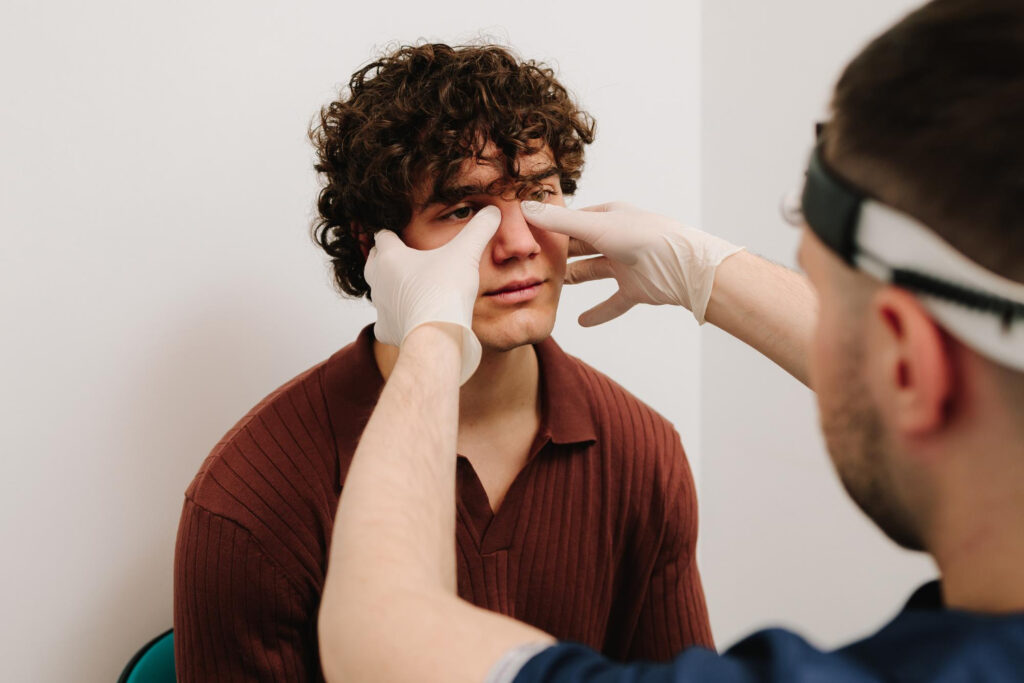
Understanding a Deviated Septum
What Causes It?
A deviated septum can occur naturally during development or result from an injury to the nose. In some cases, it may worsen over time due to aging or repeated inflammation.
Common Symptoms
Symptoms vary depending on the severity but often include:
- Difficulty breathing through one or both nostrils
- Frequent nasal congestion
- Sinus infections
- Nosebleeds
- Snoring or poor sleep quality
Recognizing these symptoms helps in choosing the right non-surgical approach.
Can You Fix a Deviated Septum Without Surgery?
It’s important to understand that non-surgical methods do not physically straighten the septum. However, they can significantly reduce inflammation, improve airflow, and relieve discomfort.
For many people, combining medical and holistic approaches provides long-term symptom management without the need for surgery.
Top Non-Surgical Ways to Fix a Deviated Septum
Nasal Sprays and Decongestants
Medicated nasal sprays can reduce swelling inside the nasal passages, making breathing easier. Steroid sprays are particularly effective for long-term inflammation control, while decongestants provide short-term relief.
Steam Inhalation
Steam therapy helps loosen mucus and open blocked nasal passages. Regular steam inhalation can provide immediate relief from congestion and improve breathing comfort.
Nasal Strips
Nasal strips are a quick and easy solution that physically open the nasal passages. They are especially useful at night, helping reduce snoring and improving sleep quality.
Saline Rinse (Neti Pot)
A saline rinse flushes out irritants, allergens, and excess mucus from the nasal passages. This method is highly effective in maintaining nasal hygiene and reducing inflammation.
Allergy Management
Controlling allergies plays a crucial role in managing symptoms. Avoiding triggers, maintaining indoor air quality, and using appropriate medications can prevent additional swelling in the nasal passages.
Holistic Healing Therapies for Deviated Septum
Holistic healing focuses on treating the body as a whole rather than just addressing symptoms. While these therapies do not physically correct the septum, they can significantly improve breathing, reduce inflammation, and enhance overall well-being.
Ayurvedic Approaches (Nasya Therapy)
In Ayurveda, Nasya therapy involves the application of medicated oils into the nasal passages. This practice is believed to cleanse the sinuses, reduce blockage, and improve airflow.
Regular use of herbal oils may help lubricate nasal tissues, reduce dryness, and support respiratory health naturally.
Yoga and Pranayama (Breathing Techniques)
Breathing exercises play a powerful role in managing nasal conditions. Techniques such as alternate nostril breathing (Anulom Vilom) help balance airflow between nostrils and improve lung capacity.
Consistent practice can enhance oxygen intake, reduce stress, and promote better breathing patterns even with a deviated septum.
Acupressure and Acupuncture
These traditional therapies focus on stimulating specific points in the body to improve energy flow and reduce blockages. Certain pressure points around the nose and face may help relieve sinus congestion and improve nasal breathing.
Many people report reduced symptoms and improved comfort after regular sessions.
Herbal Remedies
Natural herbs such as turmeric, ginger, and eucalyptus are known for their anti-inflammatory properties. Consuming these or using them in steam inhalation can help reduce nasal swelling and improve airflow.
Herbal teas and natural supplements can also support immune health, reducing the frequency of infections.
Chiropractic and Cranial Therapy
Some alternative practitioners use gentle adjustments to improve nasal alignment and airflow. While results vary, these therapies aim to enhance structural balance and reduce tension in facial and nasal areas.
Lifestyle Changes That Help Improve Breathing
Daily habits can greatly influence how well you manage a deviated septum.
Sleeping with your head elevated helps keep nasal passages open during the night. Using a humidifier prevents dryness and irritation, especially in air-conditioned environments.
Avoiding smoke, dust, and pollutants is essential, as these can worsen inflammation and congestion.
Exercises and Breathing Techniques
Incorporating breathing exercises into your daily routine can improve airflow and strengthen respiratory function.
Practices like deep breathing and controlled nasal breathing train your body to use airways more efficiently. Over time, this can reduce discomfort and improve overall breathing quality.
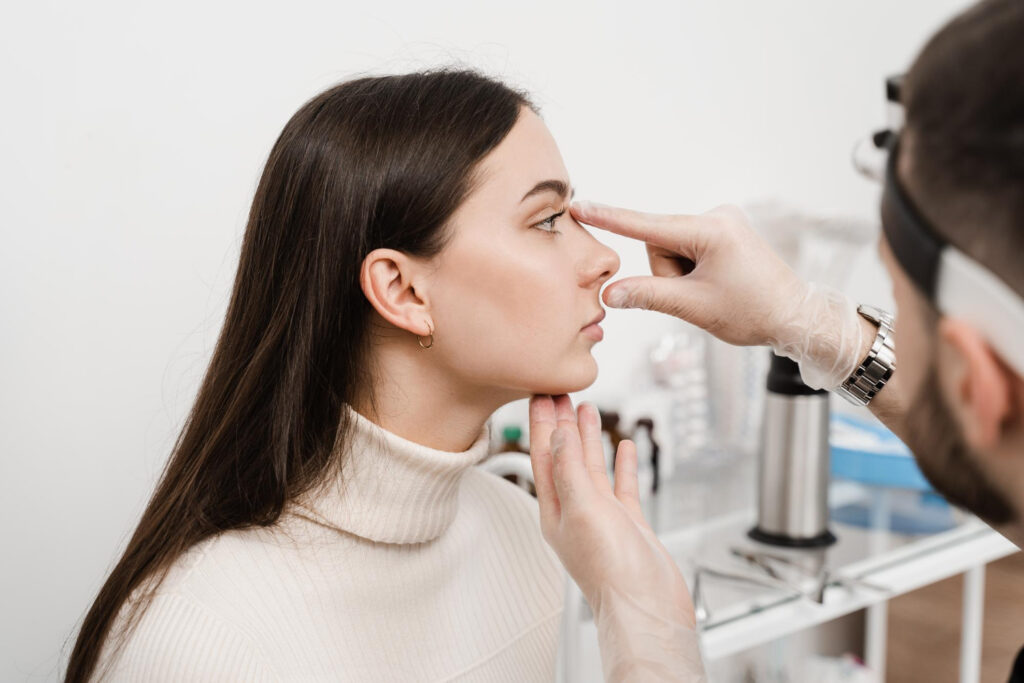
When to See a Doctor
While natural and holistic methods can be highly effective, medical consultation is necessary in certain cases.
If you experience severe breathing difficulties, frequent sinus infections, or symptoms of sleep apnea, professional evaluation is important. In such situations, surgery may still be the most effective option.
Are Non-Surgical Treatments Effective Long-Term?
For mild to moderate cases, a combination of remedies, lifestyle changes, and holistic healing therapies can provide long-term relief.
However, the effectiveness depends on consistency and the severity of the condition. While these methods improve symptoms, they do not permanently correct the structural deviation.
Conclusion
Understanding how to fix a deviated septum without surgery opens the door to a wide range of natural and holistic solutions. From medical treatments to ancient healing practices like Ayurveda and yoga, there are many ways to manage symptoms effectively.
The key lies in a balanced approach, combining modern remedies with holistic therapies to support both physical and overall well-being. With consistency and the right strategy, you can breathe easier and improve your quality of life without surgical intervention.