Why Walking with AVN Is Not a Simple Yes or No
If you’ve been diagnosed with AVN, you’ve probably heard conflicting advice, some say “keep moving,” while others warn you to avoid walking altogether.
The truth sits somewhere in between. Walking is neither completely safe nor completely harmful. It depends on how, how much, and when you do it.
The real issue isn’t walking itself—it’s how much stress your joint is تحمل (bearing) while you walk.
The “Load vs Movement” Rule (Most Important Concept)
Here’s the principle most people miss:
Movement is beneficial. Excessive load is dangerous.
Your joint needs movement to stay functional. But when that movement comes with too much weight or pressure, it can accelerate damage.
Walking naturally combines both movement and load. That’s why it must be controlled—not avoided entirely, and not overdone either.
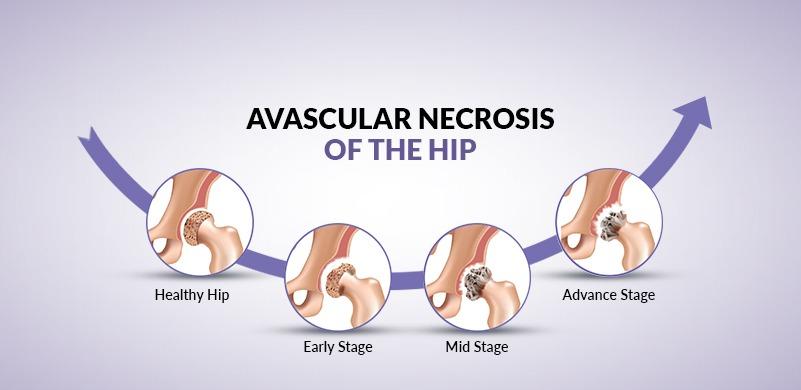
When Walking Actually Helps Your AVN
Walking can support recovery when done correctly and under the right conditions.
- Improves circulation: Gentle movement helps deliver nutrients to affected bone areas
- Maintains joint function: Keeps your range of motion intact
- Prevents muscle weakness: Strong muscles reduce pressure on the joint
In early stages, controlled walking can actually complement avn treatment without surgery, especially when combined with guided physiotherapy.
But the keyword here is controlled—not long walks, not pushing through pain.
When Walking Is Quietly Damaging Your Joint
The biggest danger with AVN is that damage doesn’t always feel immediate.
You might walk today and feel “okay,” but internally, your joint could be under stress.
Warning scenarios include:
- Walking despite a dull, persistent ache
- Limping but continuing activity
- Feeling worse hours after walking
- Increased stiffness the next day
These are signs that your joint is not tolerating the load well. Continuing this pattern can lead to gradual structural damage.
How to Know If Your Walking Is Helping or Harming
Your body gives signals—you just need to interpret them correctly.
Signs walking is helping:
- Mild discomfort that doesn’t worsen
- No lingering pain after rest
- Stable or improved mobility
Signs walking is harming:
- Pain increases during or after walking
- You feel heavier pressure in the joint
- Recovery takes longer each time
- You start adjusting your gait (limping)
If your symptoms are trending worse over time, your walking routine needs adjustment immediately.
The Right Way to Walk with AVN (Practical Strategy)
If you’re going to walk, do it strategically—not casually.
- Keep distances short: Multiple short walks are safer than one long walk
- Choose flat surfaces: Avoid slopes and uneven ground
- Walk slowly: Speed increases joint impact
- Use support if needed: A cane or crutch can significantly reduce load
- Stop before pain escalates: Don’t wait for strong pain signals
Think of walking as a controlled exercise—not a daily habit you do without awareness.
Mistakes That Make AVN Worse (Even If You’re “Just Walking”)
Many people unknowingly worsen their condition through simple habits:
- Walking long distances thinking it builds strength
- Ignoring mild pain because it feels “manageable”
- Not using support devices when needed
- Walking on hard or uneven surfaces
- Trying to “push through” discomfort
These mistakes often delay recovery and increase the likelihood of needing surgery later.
How Walking Fits Into AVN Treatment Without Surgery
Walking should never be your only strategy—it should be part of a bigger plan.
Effective avn treatment without surgery focuses on reducing stress while improving joint health. Walking plays a role, but only when combined with:
- Targeted physiotherapy
- Load management techniques
- Muscle strengthening routines
- Recovery-focused movement patterns
The goal is not to stay active at all costs—but to stay active smartly.
Better Alternatives When Walking Is Too Risky
If walking triggers discomfort, switching activities is a smarter move than forcing it.
Consider:
- Swimming (minimal joint load)
- Stationary cycling (controlled motion)
- Gentle mobility exercises
These options allow movement without putting excessive pressure on the affected joint.
The Real Goal: Stay Mobile Without Triggering Collapse
Managing AVN is not about choosing between movement and rest—it’s about finding the right balance.
Walking can be helpful, harmful, or neutral depending on how you use it. The key is awareness, control, and consistency.
When combined with the right avn treatment without surgery, many people successfully maintain mobility without accelerating joint damage.
Conclusion
So, should you walk with AVN? Yes—but only if you do it intelligently.
Avoid extremes. Don’t completely stop moving, but don’t treat walking casually either.
Your joint is already vulnerable—every step should be intentional.
FAQs
Should I stop walking completely with AVN?
No, but you should modify how you walk based on your symptoms.
Is pain during walking normal?
Mild discomfort may be okay, but increasing or lingering pain is a warning sign.
Can walking delay surgery?
Only if done correctly as part of avn treatment without surgery.
What’s better than walking for AVN?
Low-impact activities like swimming or cycling are often safer alternatives.